
Cracked, Loose and Hollow Tile
TileRepair in Wimberley, TX for Floors and Showers
Western Standard Tile handles tile repair in Wimberley, TX: cracked and loose tile, hollow spots, worn grout and leaking shower walls. Call (737) 335-5409 to have it looked at.
Signs You Need Tile Repair in Wimberley, TX
Tile problems start small. A single crack or a gap in the grout lets water in, and water under tile turns a small fix into a bigger one.
- Cracked tiles, or one crack running across several tiles in a line
- A hollow, clicking sound when you tap or walk on a tile
- Tiles that rock, lift or have pulled away at the edges
- Grout that is crumbling, missing or dark with mildew
- Soft spots, stains or peeling paint on the wall behind a shower
A crack that runs in a straight line across many tiles often points to movement in the slab below, not to a bad tile. Central Texas has plenty of clay soil that shrinks in dry spells and swells after rain. Finding the cause first keeps the same crack from coming back a year later. Good tile repair in Wimberley, TX treats the cause and the crack together.
How Repairs Work
Our Tile Repair Process, From Diagnosis to Fresh Grout
Repair starts with finding out why the tile failed. Replacing a cracked tile without fixing the cause only buys a little time, so the first visit is about the reason as much as the damage.
-
Inspect and Tap Test
We tap the floor or wall to map hollow areas, read the crack pattern and check for moisture. That tells us whether the problem is one tile, a failed bond or movement underneath.
-
Find a Matching Tile
Matching old tile is often the hardest part. Leftover tile from the original job is the best source, and when none exists, we look for the closest match in size, color and finish.
-
Remove and Replace
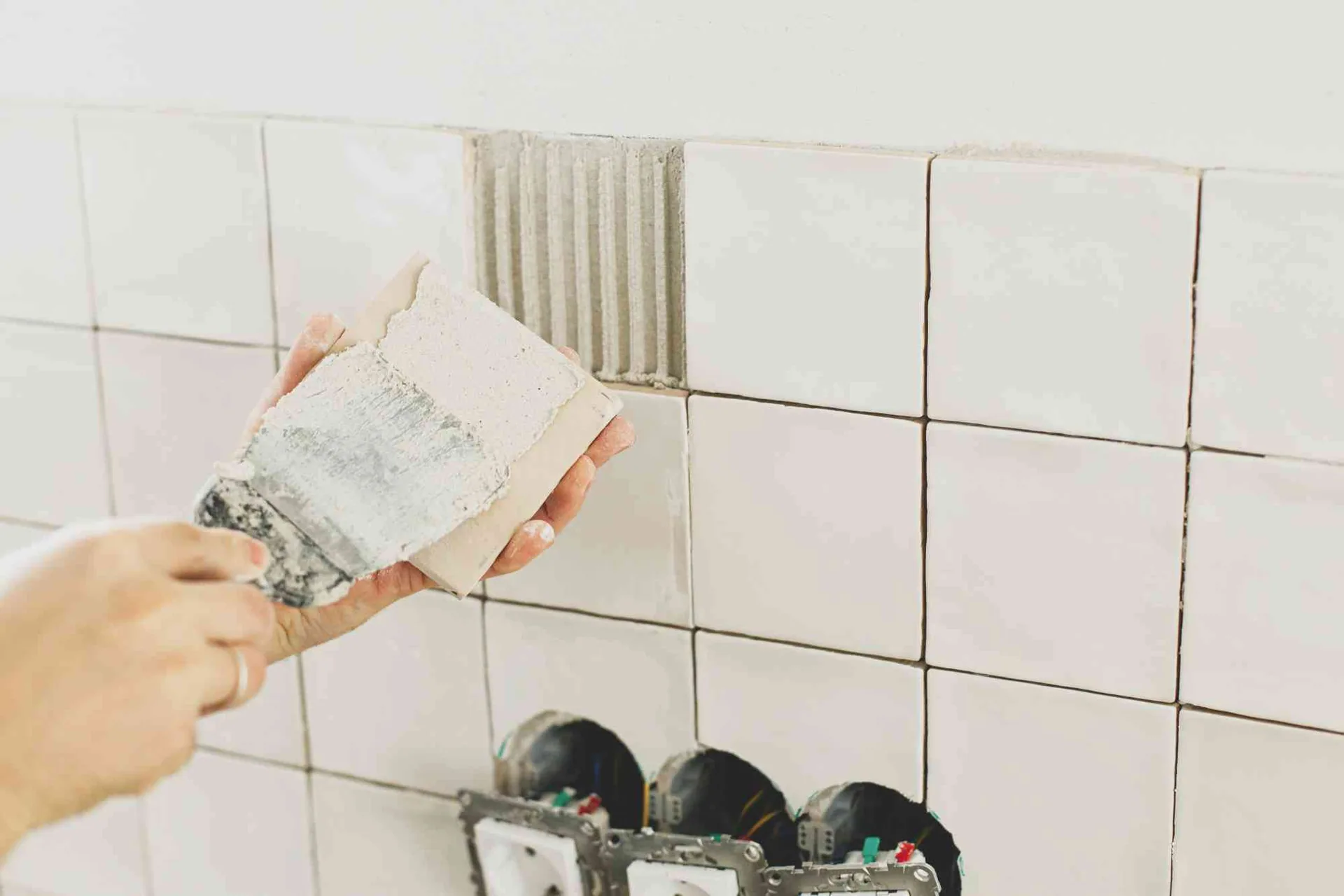
Damaged tiles are cut out with care so the tiles around them stay intact. The base is scraped clean, any problem underneath is fixed, and new tile is set in fresh thinset level with its neighbors.
-
Grout and Final Check
New grout is mixed to match the existing color as closely as possible. Once it cures, the joints can be sealed, and we check the repair for level, sound and looks before we leave.
Cracked Tile Repair on Floors and Walls
A cracked tile can often be replaced on its own, without tearing out the floor around it. Cracked tile repair works well when the crack comes from a dropped pan, a heavy impact or a single weak tile. The damaged tile is scored, broken out in pieces and replaced, and the grout around it is renewed so the joint blends with the rest.
Cracks with a pattern tell a different story. Several cracks in a line, or cracks that return after a repair, usually point to a moving slab, a missing movement joint or a subfloor that flexes. In those cases, the repair includes the fix underneath, such as a crack isolation membrane or a joint filled with flexible sealant instead of grout.
Spare tiles matter here. If you have a box of tile left from the original job, keep it somewhere dry. It is the easiest way to get a repair that disappears into the rest of the floor.
Loose Tile Repair and Hollow Spots
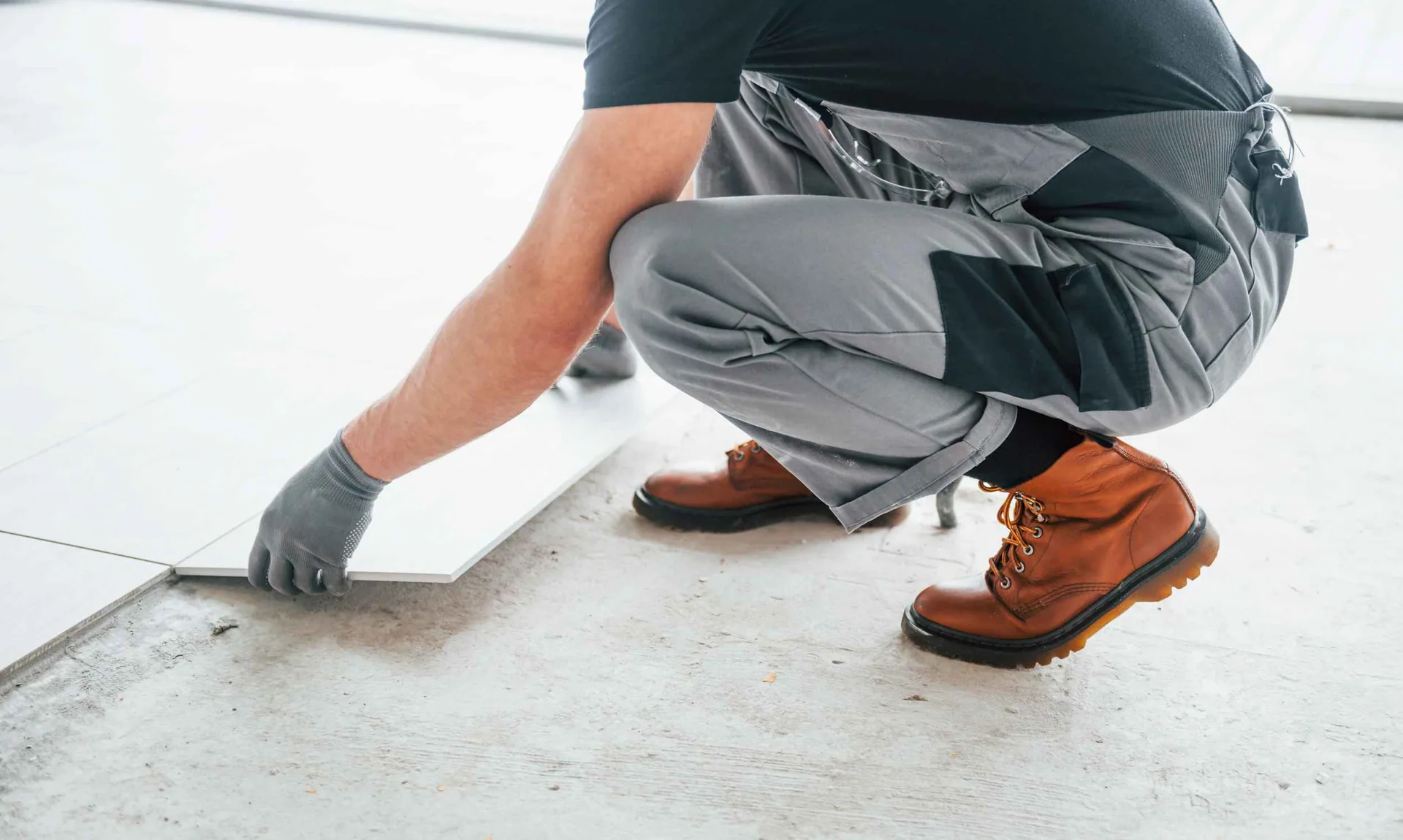
A tile that sounds hollow has lost its bond to the floor or wall. Loose tile repair means lifting that tile, cleaning off the old mortar and setting it again with full coverage, so no air pockets are left behind. A few taps with the handle of a tool find the edges of the hollow area first.
Hollow spots tend to spread. Common causes include thinset spread too thin, tile set on a dusty base, and water working its way under the tile through failed grout. Left alone, a hollow tile will crack under a chair leg or a heavy step.
A few loose tiles can usually be reset with little disruption to the room. When a large area sounds hollow, the bond across the whole floor may be failing. Replacing that section is then the more lasting answer, and you hear that plainly before any work starts.
Grout Repair and Shower Regrouting
Grout is the first part of a tile job to wear out. Grout repair restores the joints between tiles so water stays on the surface, where it belongs, instead of soaking into the base. Gaps, cracks and powdery joints are the first signs it is time.
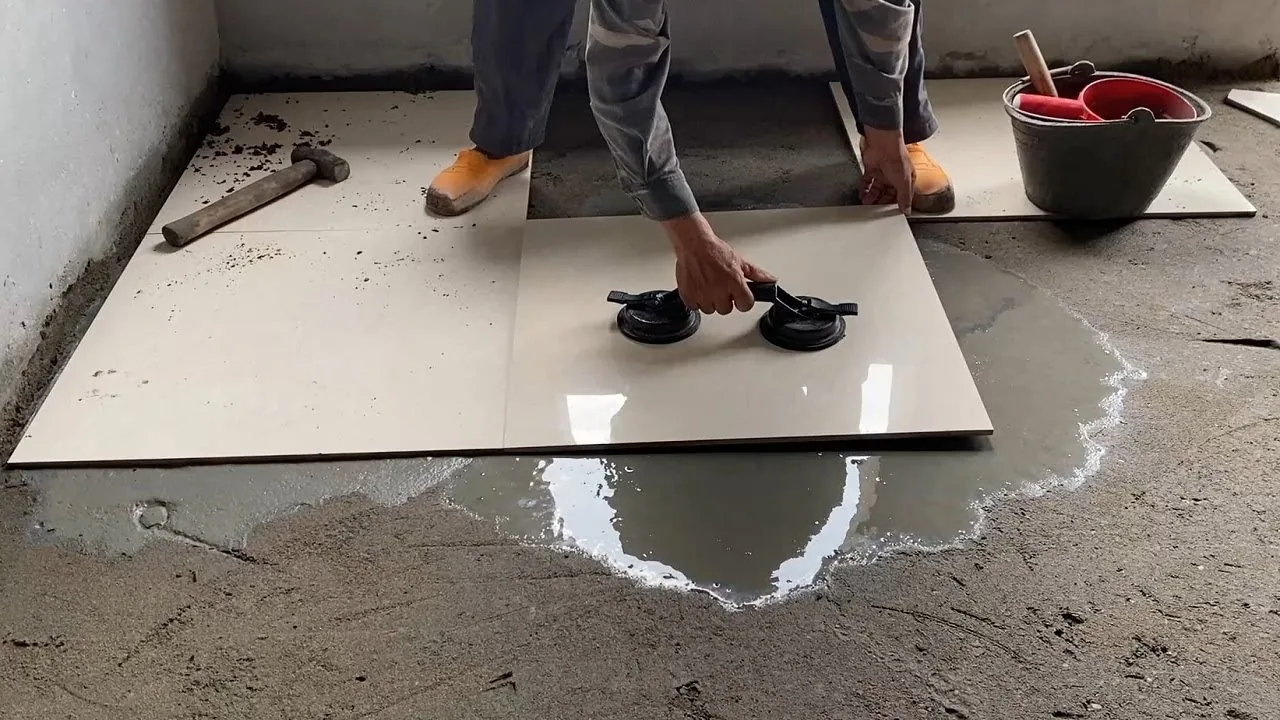
Regrouting the shower is one of the most useful repairs a bathroom can get. The old grout is cut out to an even depth, the joints are cleaned, and new grout is packed in and tooled smooth. Inside corners, where walls meet each other or the tub, are the usual weak spot. Those joints move, so they get a flexible sealant instead of grout.
Sealing new cement grout helps it resist stains. Hard water leaves a mineral film on grout and glass, and a mild cleaner made for tile is kinder to fresh joints than acid or bleach.
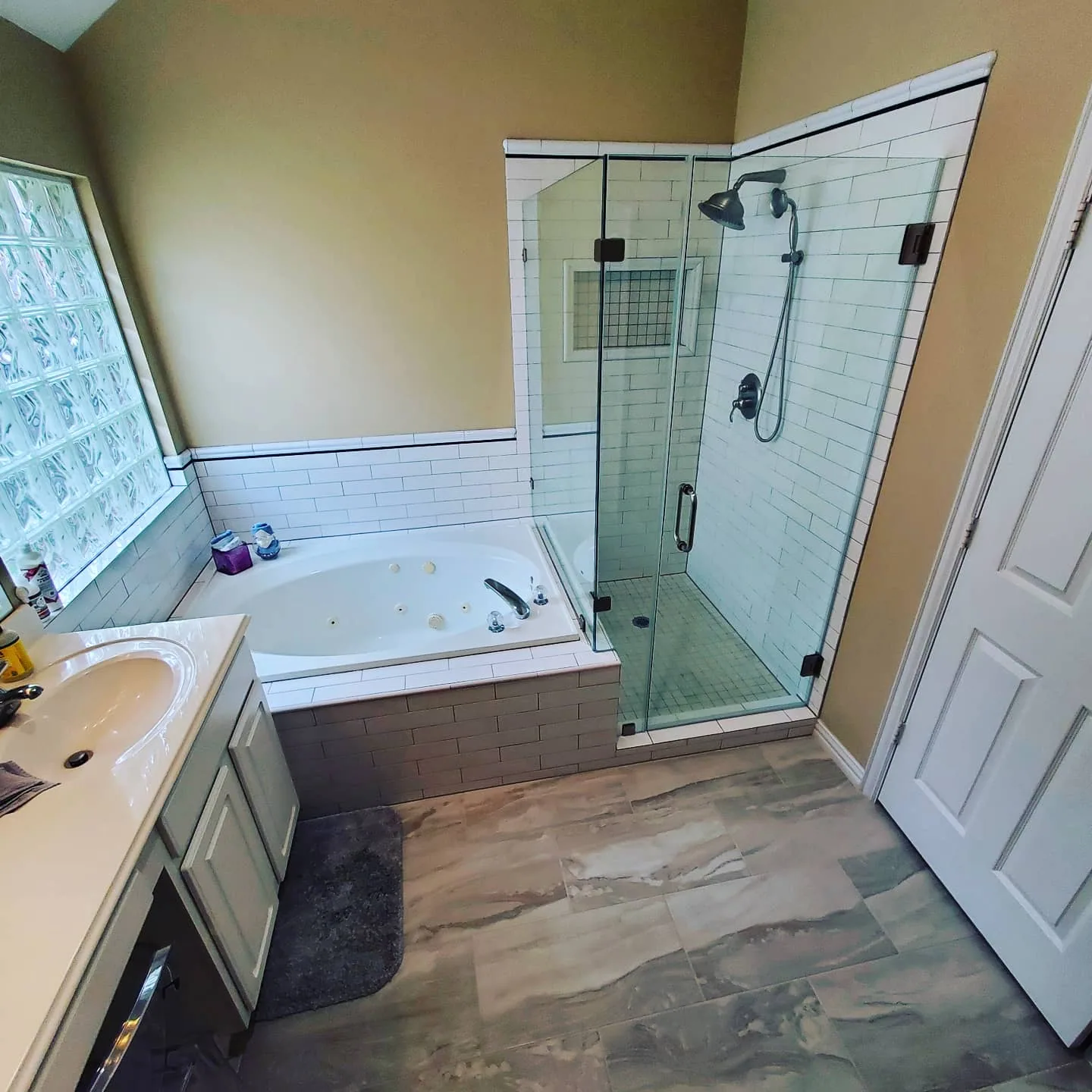
Shower Tile Repair Before Water Spreads
Shower tile repair is about more than looks. A shower wall that leaks can soak the framing and drywall behind it long before any damage shows on the outside. Catching it early keeps the fix to the tile and grout alone.
Watch for a loose tile near the valve, grout that stays dark long after a shower, or a soft spot when you press on the wall. Each one can mean water is getting past the tile, and a musty smell in the bathroom is another clue. A careful repair opens only as much as needed to see how far the water went.
When the waterproofing behind the tile is sound, a shower can often be fixed in place. When it has failed, a patch will not hold, and a rebuild is the honest answer. That larger job falls under shower renovation in Wimberley, where the wall is rebuilt from the studs out.
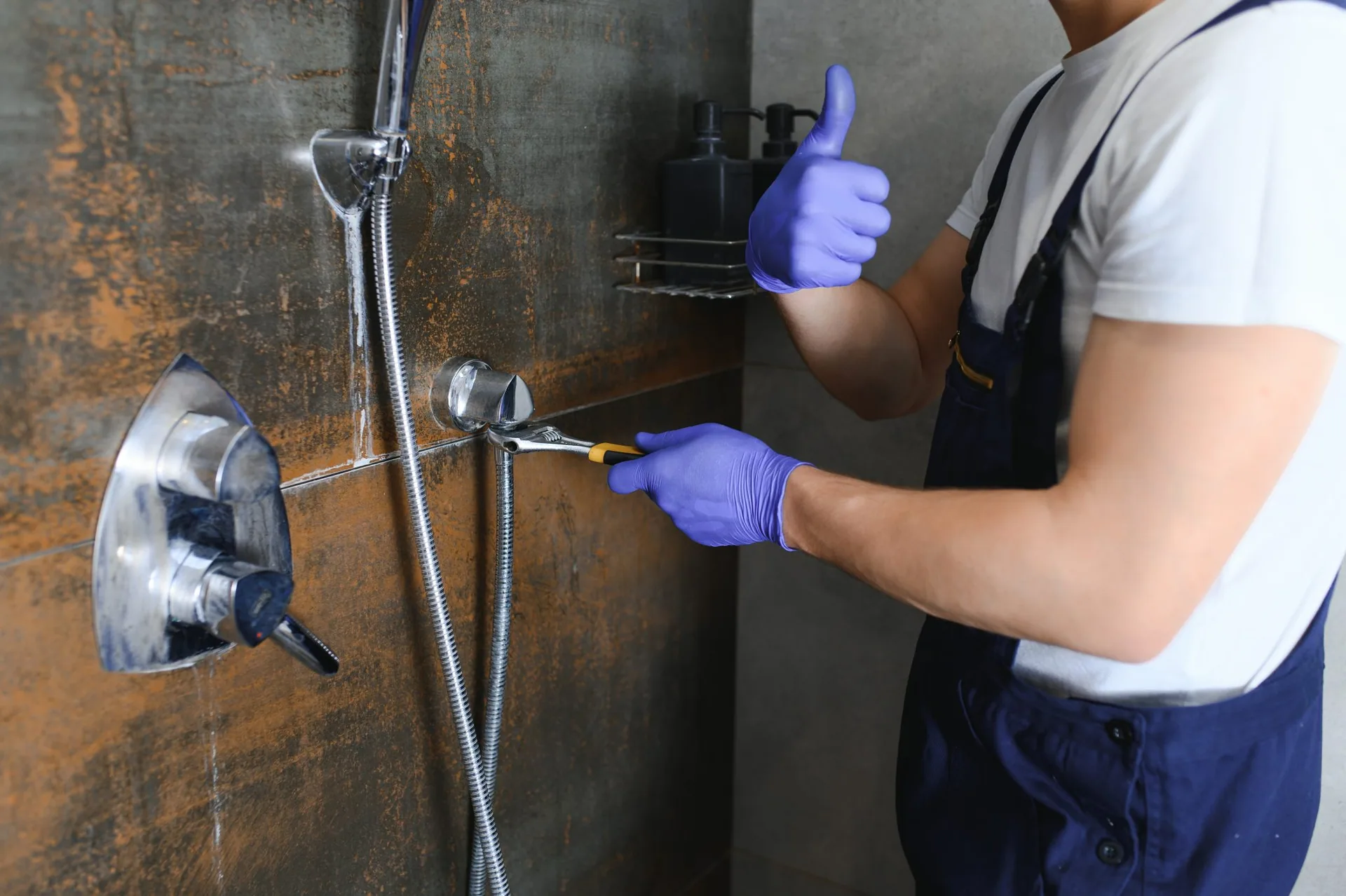
What Drives the Price of a Tile Repair
Repairs are priced by what the problem turns out to be, so an exact figure comes after a look. A few cracked tiles and a full shower regrout are very different jobs.
- How many tiles need to come out
- Whether matching tile is on hand or has to be found
- The cause underneath, such as a moving slab or failed waterproofing
- How much grout needs to be cut out and replaced
- Access, such as tile under cabinets or around a toilet
Fixing the cause can add to the first bill, but it keeps you from paying for the same repair twice. Every quote for tile repair in Wimberley, TX names the cause along with the fix.
Why Call Us
Why Homeowners Trust Western Standard Tile With Repairs
A repair takes a different eye than a new install. You have to read why the tile failed, match what is already there and blend new work into old. Western Standard Tile works with tile every day, and that daily work is what makes a repair hard to spot.
Lee, the company's third-generation owner, runs a business built on doing tile the right way. You get a straight answer about whether a repair will hold or whether a section should be replaced, even when the smaller job is the one we suggest.
Small problems are worth a call. A few loose tiles in an entry or a cracked grout line in a shower are far cheaper to fix now than after water has spread. Reach the company at (737) 335-5409 to book tile repair in Wimberley, TX or a nearby town.
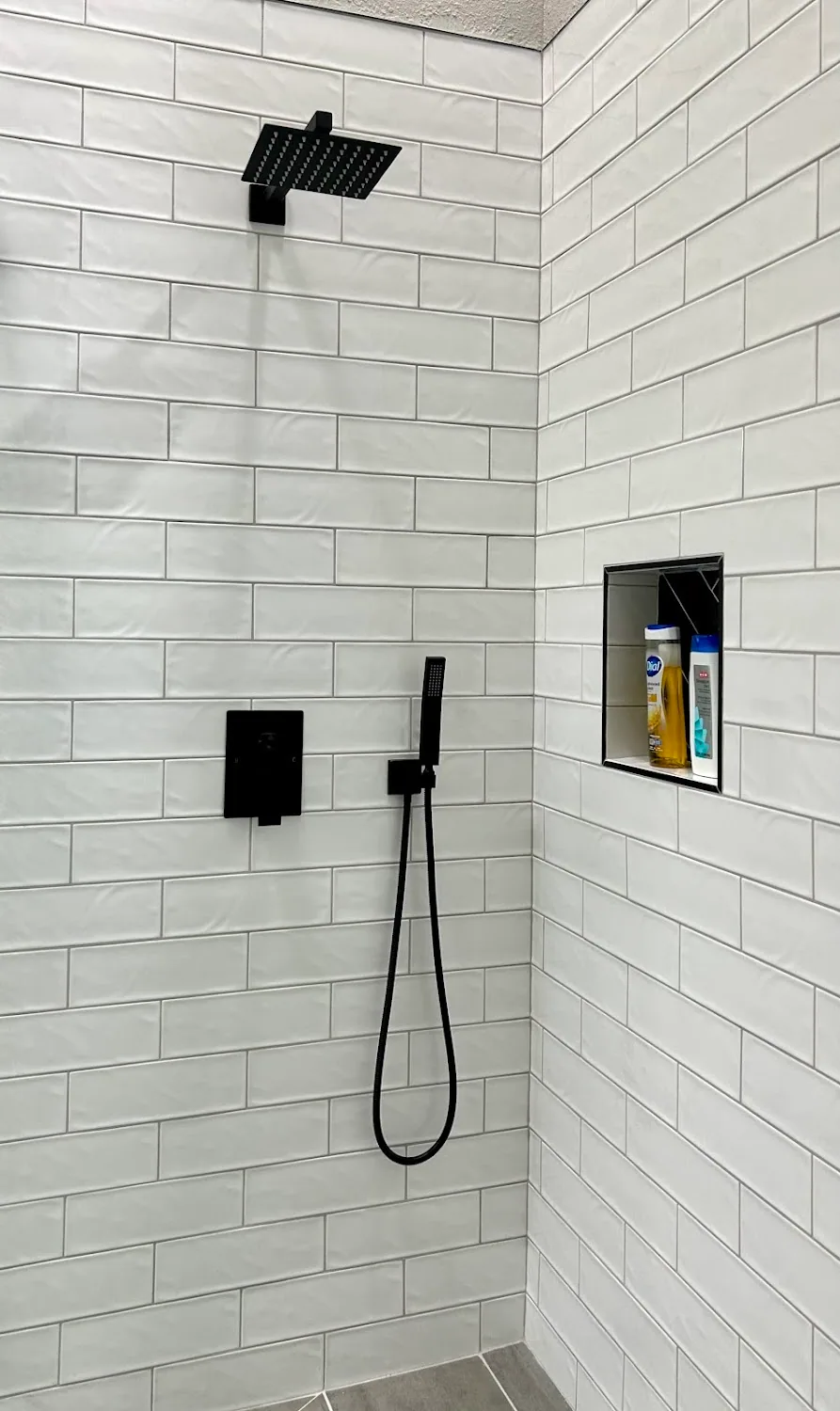
Tile Repair Throughout the Hill Country Corridor
Western Standard Tile is based in Wimberley and fixes tile across the corridor between Austin and San Antonio. Repair calls come in from homeowners who know us as their tile contractor in Wimberley, their tile contractor in Buda, their tile contractor in Canyon Lake and their tile contractor in Blanco.
The Wimberley Valley depends on the Trinity Aquifer for its water, and local water suppliers move to strict watering stages during drought. A shower that leaks behind its tile wastes water and damages the wall, so a quick repair pays off twice. A leaking shower is one of the best reasons to schedule tile repair in Wimberley, TX before summer.
Repair is one of several tile and remodeling services the company offers. When old tile is beyond saving, tile installation in Wimberley gives the room a fresh start on a sound base.
Tile Repair Questions We Hear Often
Can you replace just one cracked tile?
Yes, in most cases. A single cracked tile can be cut out and replaced without disturbing the tiles around it, as long as a matching tile is available. The grout around the new tile is then matched to the old. If the crack came from movement underneath, that cause is fixed at the same time so the new tile does not crack again.
What if I have no spare tile from the original job?
Then the search starts with the closest match in size, thickness, color and finish. Some older tiles are no longer made, so an exact match is not always possible. In that case, one option is to pull a few tiles from a hidden spot, such as inside a closet or under an appliance, and use a near match there instead.
How often does shower grout need to be redone?
It depends on how the shower is used, cleaned and sealed. Grout that stays dark long after a shower, cracks, or pulls away at the corners is due for attention. Catching it early often means regrouting only, while waiting until tiles loosen can mean opening the wall. Sealing cement grout and wiping walls down after use both help it last longer.
Why does my tile sound hollow when I tap it?
A hollow sound means the tile is not fully bonded to the mortar below. That can come from thin or patchy thinset, a dusty base at install, or water getting under the tile over time. One or two hollow tiles can often be reset, but a large hollow area usually signals that the bond is failing across that section.
Does cracked floor tile mean foundation trouble?
Not always. A single cracked tile is usually from an impact or a weak spot. A long crack running through several tiles in a line is different, because it often follows a crack in the slab below. A tile repair can bridge small slab cracks with an isolation membrane, but large or growing cracks are worth having a foundation specialist look at first.
Explore More
Tile and Remodeling Services in Wimberley, TX
-
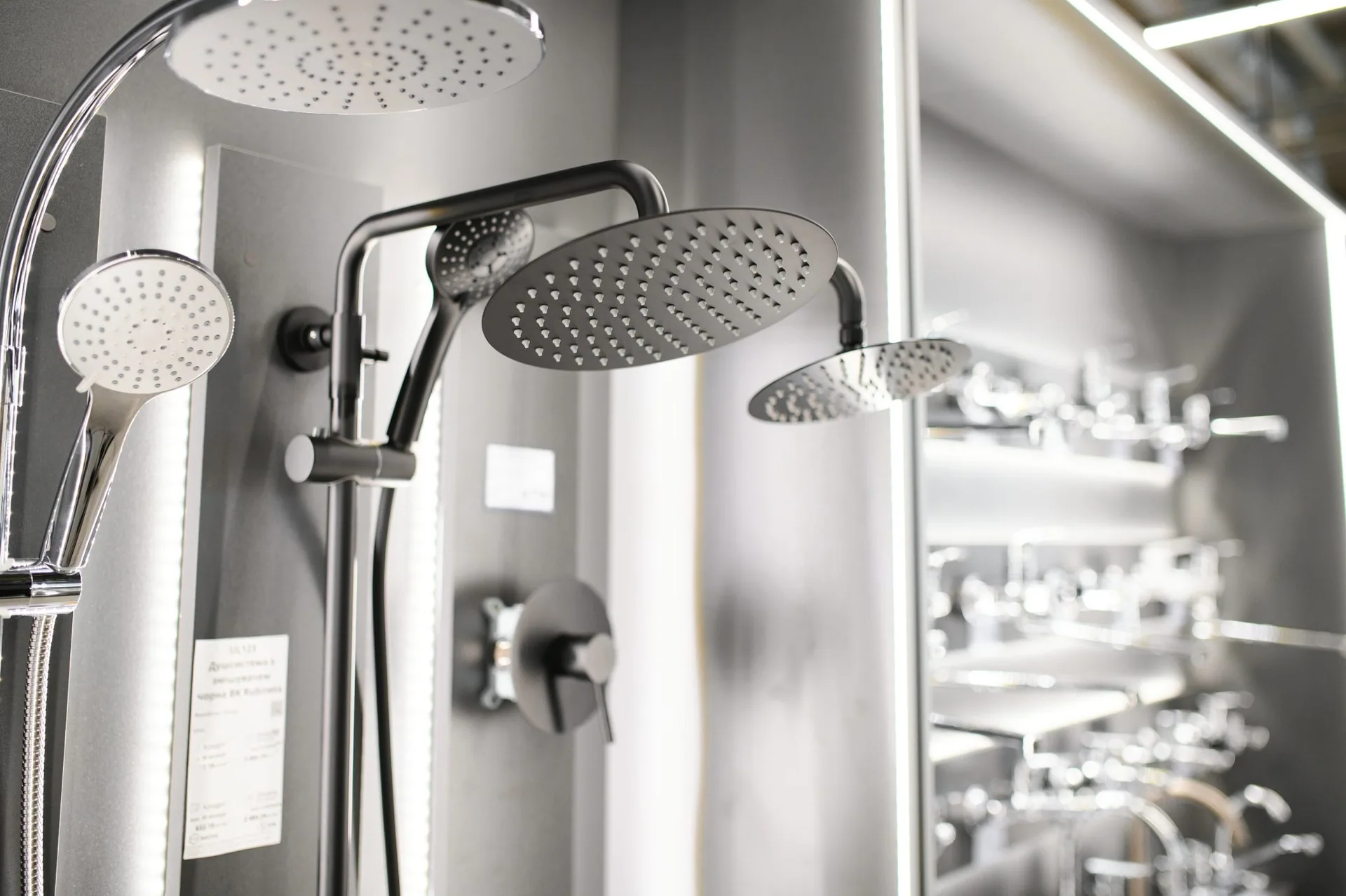
Bathroom Remodeling
Western Standard Tile handles bathroom remodeling in Wimberley, TX and across the Hill Country, with custom tile at the heart of every room we rebuild.
-
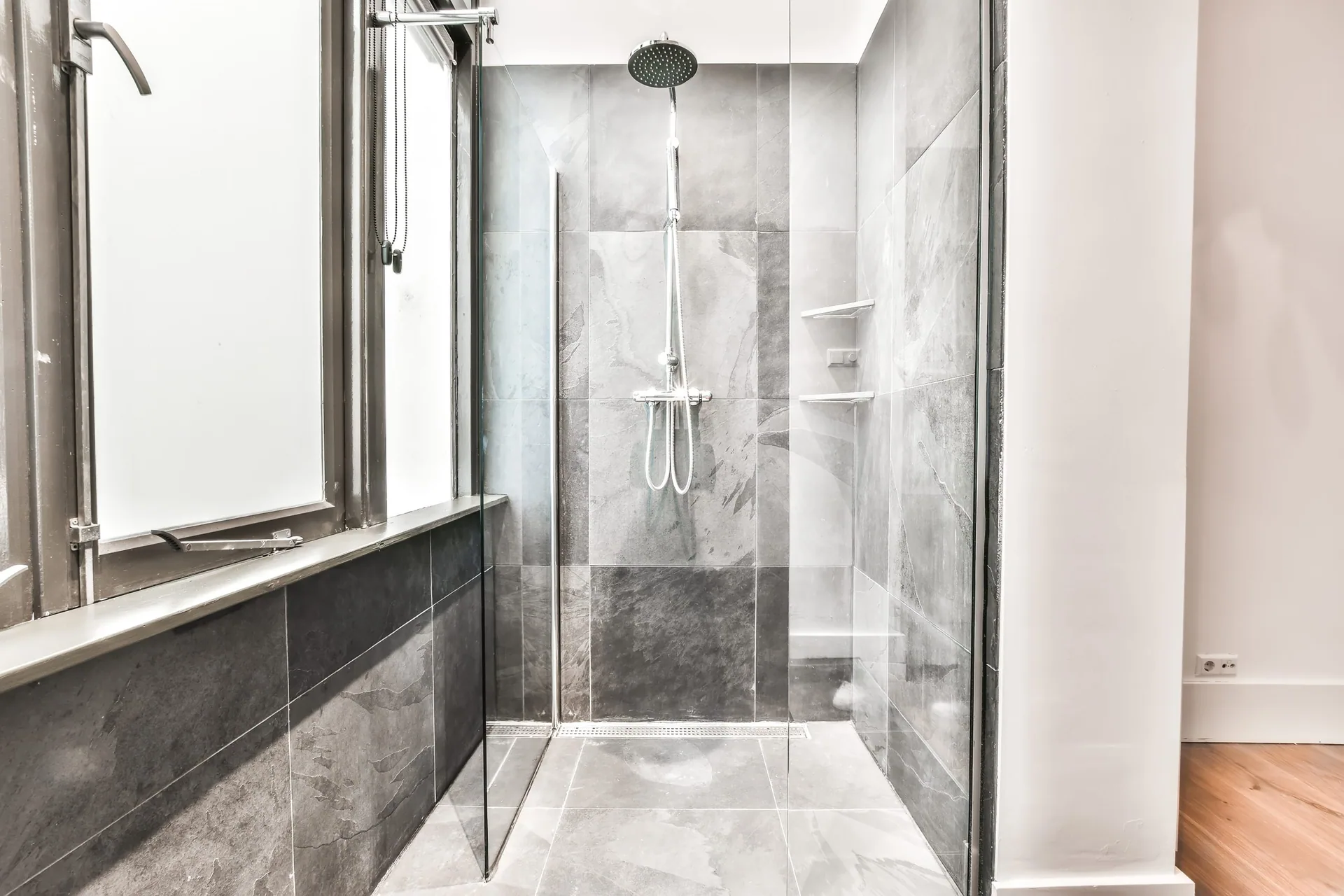
Shower Renovation
Western Standard Tile rebuilds worn, leaking and dated showers, offering shower renovation in Wimberley, TX with new waterproofing, custom tile and a clean finish.
-
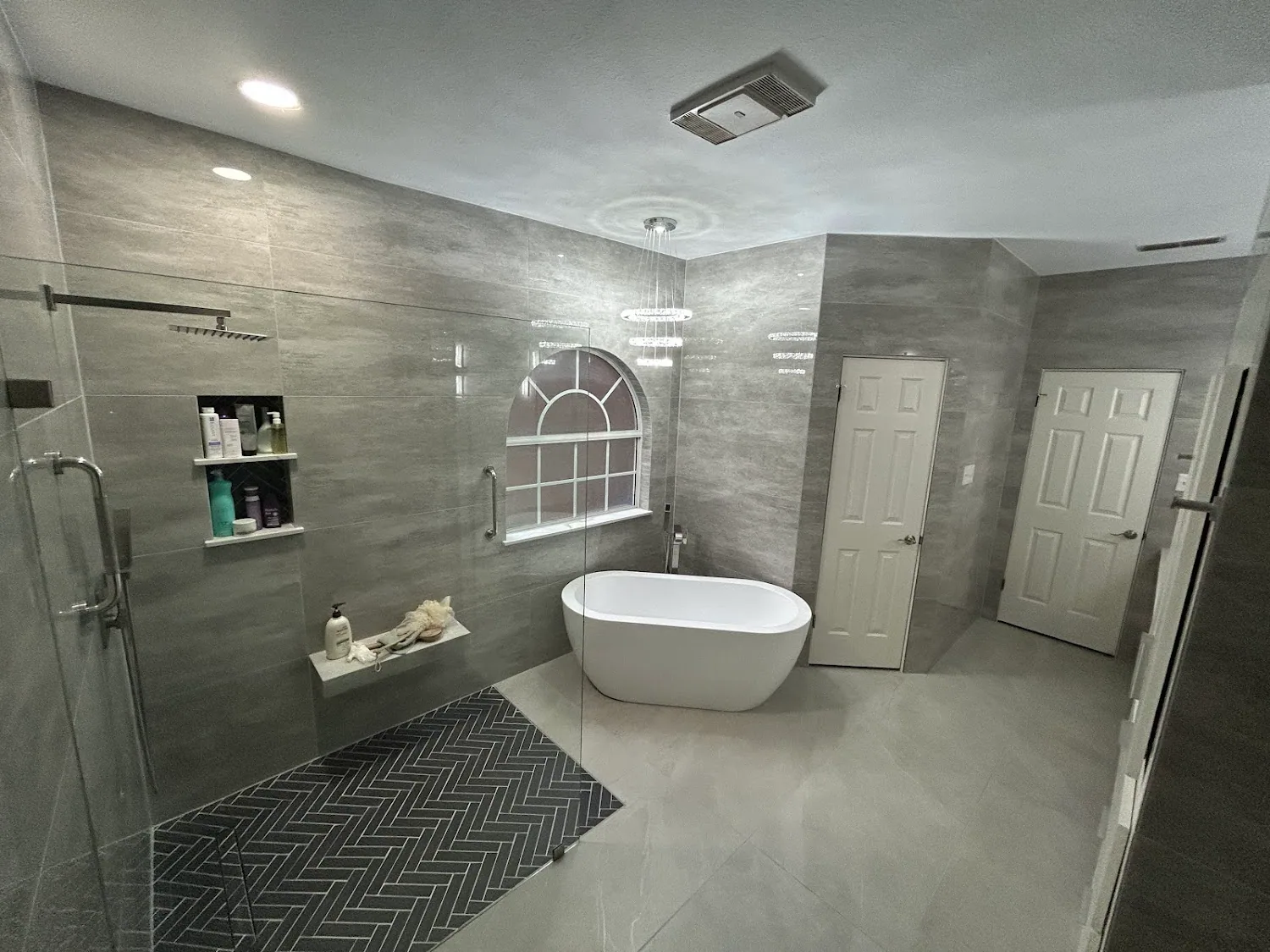
Tub To Shower Conversion
Western Standard Tile does tub to shower conversion in Wimberley, TX, replacing bathtubs that sit unused with open, tiled showers that are easy to step into.
-
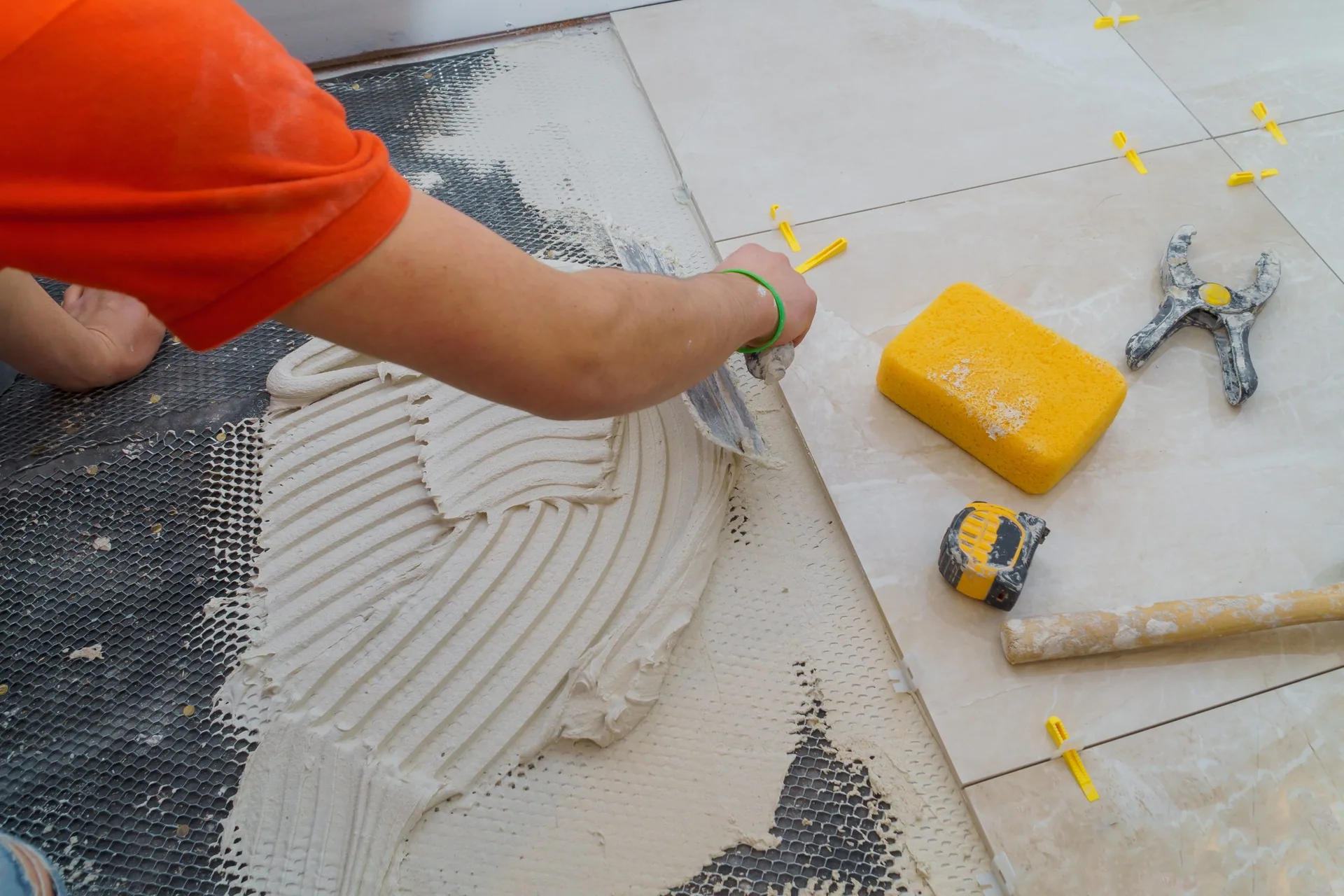
Tile Installation
Western Standard Tile handles tile installation in Wimberley, TX for floors, walls and backsplashes in ceramic and porcelain. Call (737) 335-5409 to talk through your room.
-

Home Remodeling
Western Standard Tile handles home remodeling in Wimberley, TX beyond the bathroom, from kitchen updates to new tile and LVP floors. Call (737) 335-5409 to talk through your plans.
Fix It Early
Get Your Cracked or Loose Tile Looked At
A small crack or a hollow tile is easiest to fix before water gets underneath. Call Western Standard Tile at (737) 335-5409, or send a short description of the problem, and we will set up a time to take a look.